 " />
" />The release of the Future Homes Standard has put solar in the (sun)light. It moves the category from a considered purchase to a must-have and default option. The Government comms even talk about the technology becoming so accessible that it’s available “in the middle of Lidl”.
The challenge for manufacturers is no longer adoption, it’s differentiation as swathes of suppliers enter the industry. For marketing directors at these companies and their teams its time to kick-start their campaigns for consumer and B2B audiences.
A fast-moving market
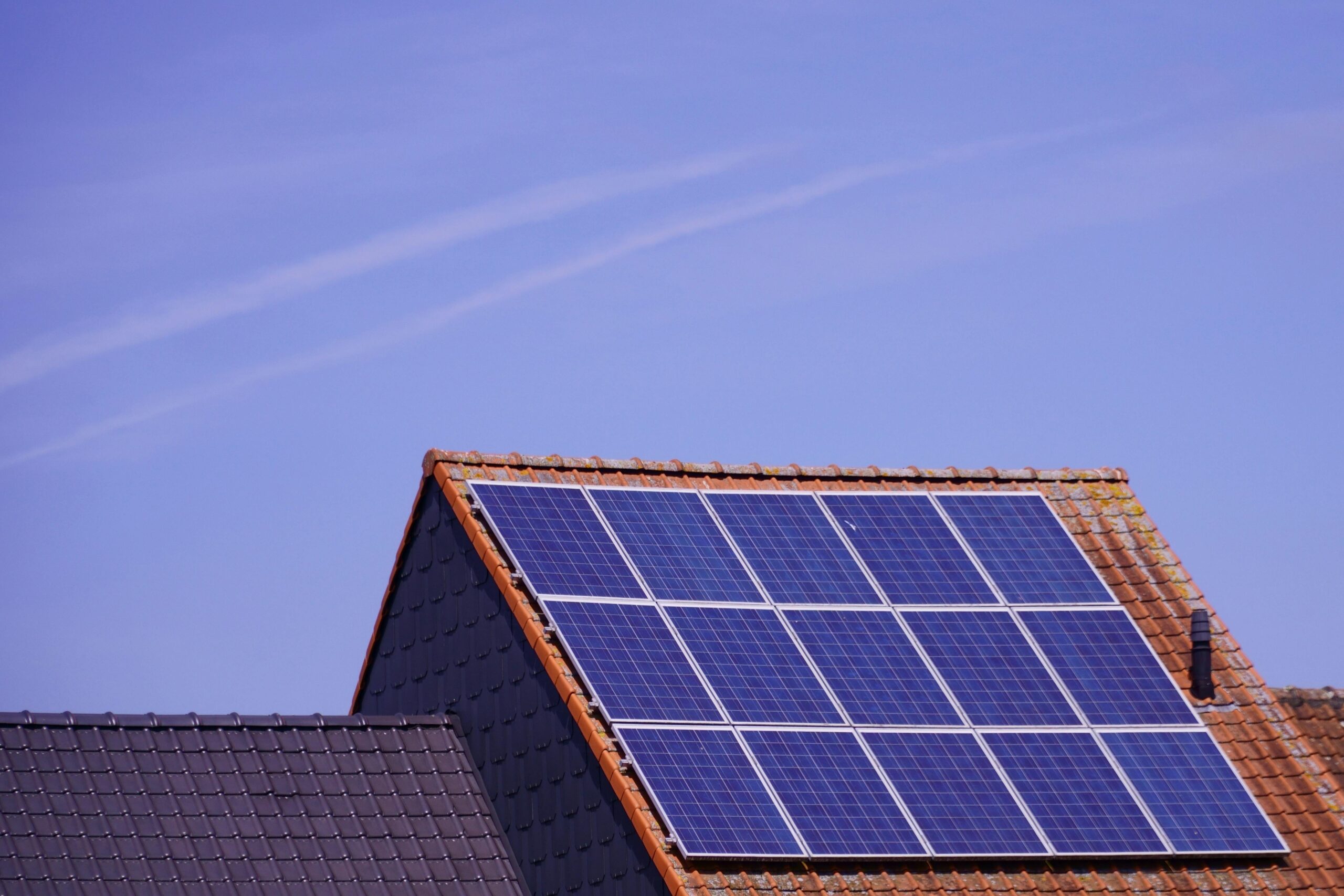
The numbers tell a clear story. The solar sector is accelerating at speed. More than 1.5 million UK homes now have solar panels installed, which is roughly 6% of housing stock. That figure is rising quickly, with over 200,000 new systems installed across 2025 alone and installation rates up more than 20% year-on-year.
The shift is even more pronounced in the new build sector. Around 40% of new homes in England already include solar, a figure expected to climb further as regulations tighten. Meanwhile, solar generated a record 6.3% of Great Britain’s electricity in 2025, reflecting both scale and growing reliance.
Consumer appetite is not the limiting factor either. Around two-thirds of homeowners either already have solar or would seriously consider it. Therefore, the demand is there, and competition from the market is intensifying.
From policy to purchase behaviour
By mandating or strongly encouraging low-carbon technologies like solar in new homes, through the Future Homes Standard, the government is effectively removing friction from the buying journey. Solar panels will increasingly arrive pre-installed in every new home. This means that small and large housebuilders have a decision to make on which product to install, and consumers will then quickly have to get to grips with how their system works.
The need for a housebuilder-focused campaign strategy
For marketing teams, this shift demands a far more precise, housebuilder-focused campaign strategy. It’s no longer enough to speak broadly to end consumers. A marketer’s success will hinge on understanding the complex chain of influence within the housebuilding design and specification process.
From architects and consultants to technical directors and procurement teams, different stakeholders will shape which products make it into developments. This is something that we focus on with many of our building products clients. Understanding the supply chain and their relationships is often a key to success.
Each requires tailored messaging, whether that’s performance data, sustainability credentials (EPDs) and compliance reassurance for technical audiences, or reliability, supply chain strength, and ease of installation for commercial decision-makers.
Brands that map this ecosystem effectively and align their communications accordingly will be the ones that move from being considered suppliers to being specified as standard. It’s as simple, or as complex as that.
When solar becomes an off-the-shelf consumer product
With the promise of the proliferation of plug-in and modular systems, picking up a system in B&Q, Wickes or even Lidl is no longer far-fetched. Accessibility is expanding beyond housebuilders and installers into everyday purchasing channels.
This means marketing teams have another audience to consider, if their product is suitable.
Historically, solar has been sold, not bought. Long consideration cycles, technical consultations, and installer-led decisions meant branding often took a back seat. That is now changing as solar panel products enter the consumer and mass market.
As distribution broadens and products become more standardised, solar products will have to behave like consumer technology, which is compared side-by-side, judged on clarity of benefits and influenced by brand trust and recognition.
In this environment, the best product doesn’t always win. The best understood product does.
Turning complexity into consumer confidence
Brands that can translate complexity into consumer confidence will outperform those that rely on technical expertise alone. That means shifting focus from product features to answering consumer questions, such as: What does this mean for my bill? How does this fit in my home? Why is this better than the alternative?
Communicating these messages clearly is the task of all operators entering the marketing.
Standing out in a crowded market
With a move to mass accessibility, a crowded market is inevitable. To unfamiliar consumers, panels will look similar, their specs will converge and price pressure will increase. Marketing teams will have to differentiate in other ways. Away from product innovation, this will be in areas such as:
- Brand positioning: Are you premium, inexpensive, or performance-led?
- Message simplicity: Can a consumer understand your value in seconds?
- Trust signals: Certifications, awards, guarantees, and social proof
- Channel strategy: Are you visible where new buyers are forming opinions?
Becoming a brand that wins
The most successful solar panel brands of the next decade will be the ones that manage to gain trust among consumers and B2B audiences. Their PR and marketing will be clear, reassuring, and engaging.
The Future Homes Standard is accelerating adoption as well as expectation. Solar brands that are proactive and master their marketing will be the winners.
With this in mind, how are you planning to respond to the market? What support have you got in place, and do you understand your audience? If you need support with any of these questions, contact us today. Let us support you with your solar challenge.
- Share this