 " />
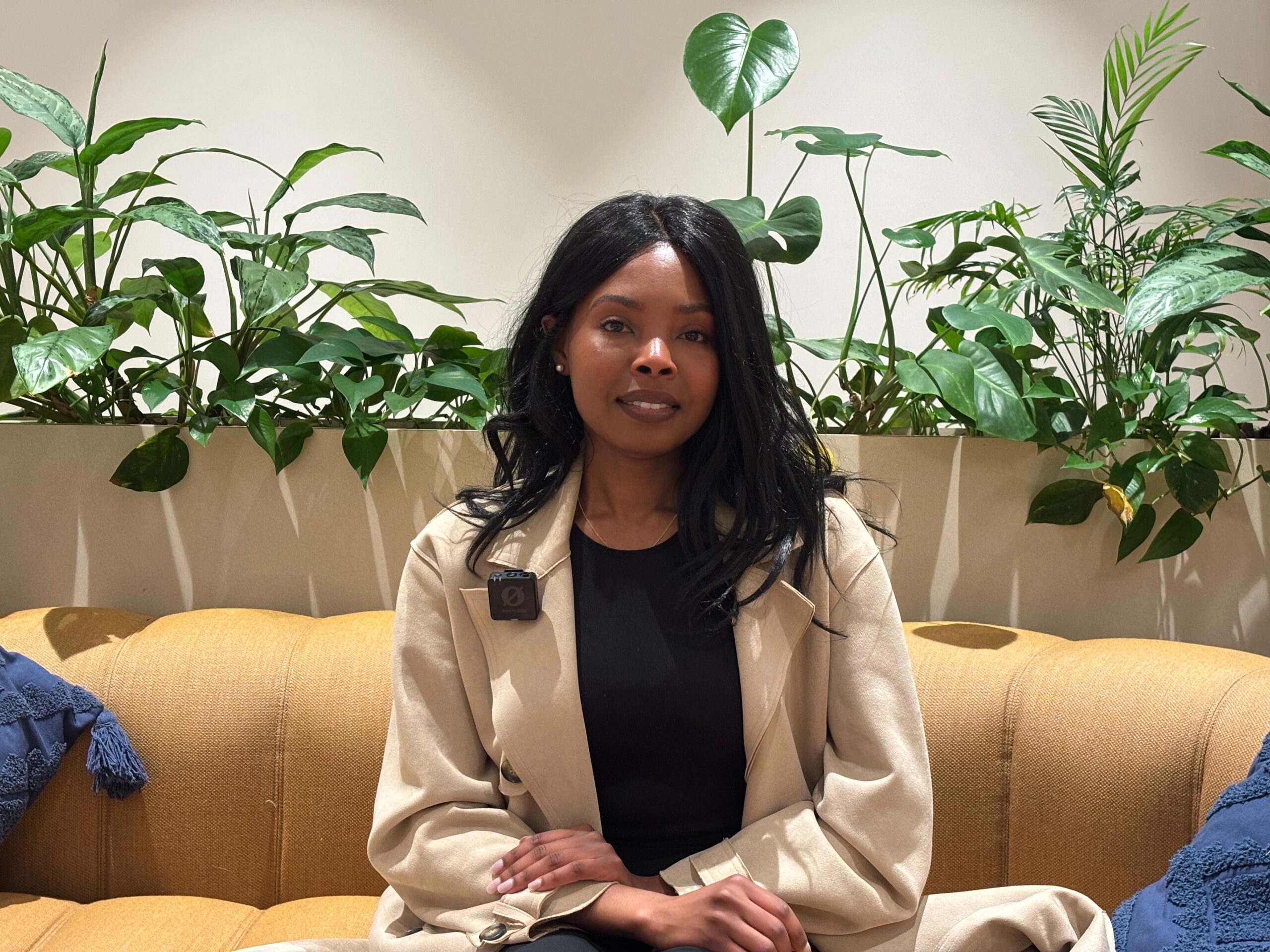
" />Nicola Phiri is a Project Architect at DB3 Architects. We caught up with her to explore how creativity, collaboration, and unexpected sources of inspiration are shaping her view of the built environment.
Nicola reflects on the realities of contemporary practice while revealing an unusual, visual and intuitive approach to her design. One that draws surprising influence from the world of desserts, TV show, Dessert Masters.
What’s shaping your outlook on the built environment over the next 12 months?
“The next 12 months will be defined by uncertainty and lower business confidence, but also resilience. For now, there are a lot of variables,” she explains, pointing to wider geopolitical factors and shifting client confidence. “A lot of firms are tentative to proceed with certain schemes. However, the industry overall is resilient, and I think we can move through any challenges. It’s just a case of adapting.”
“Adaptability is essential in an industry where projects span years.” As Nicola puts it, schemes will continue, “it’s not a no… it’s just about being patient and understanding that decisions will be made at some point in the future.”
What feels different about the projects you’re working on now compared to even a year or two ago?
“Much of my current workload involves legacy schemes, where key decisions were made several years back. Now, those projects are being reshaped by new regulatory frameworks. There’s a lot of starting and stopping because of the workload that regulators have at the moment,” she says.
From a delivery perspective, what does “good placemaking” actually look like in practice, not just in concept?
“Success starts with context. The concept should really be driven by the overall context, whether it’s neighbouring buildings or the wider region.”
Good placemaking isn’t about imposing an idea, but responding to real needs. “It’s looking at a high level and what the key drivers are in the area? Do children need play spaces? Do families need somewhere to sit and relax?” She points to spaces that evolve throughout the day, serving multiple purposes.
Where do you see opportunities to bring more creativity or personality into developments?
“Many developments are shaped by practical limitations, but there are opportunities to introduce character through detail. Sometimes the form is predetermined, but you can be creative with cladding, with rhythm, with patterns.”
“Even within standardised building types, there is room to elevate design. You can enrich and elevate things, it’s just about embracing what you have and working with it.”
Do you feel there’s room to challenge briefs and push for something more distinctive?
“So many modern buildings in our cities “look and feel” similar. This can be attributed to a combination of cost, structural logic, and risk. When you’re trying to be creative, there’s still a structural cost to uniquely shaped buildings.”
“There is also an element of caution from developers. Perhaps there’s a little hesitation to push the boundary. However, I’m optimistic about the future. In the next few years, we might start to see more interesting shapes in the Manchester skyline.”
Where do the best ideas tend to come from on a project?
“I think creativity is collaborative. Everyone has a say. We’re all coming from different backgrounds and experiences. From architects to project managers, each perspective contributes to the final outcome. The brief may define functionality, but everything else evolves through shared input.
“The look and feel follows from that, and if there’s a change in scope, that also shifts the direction of the project.”
What makes a manufacturer or supplier stand out when you’re specifying products?
“The basics matter. If I go on a website and see technical literature and a contact number, that is a huge help. Access to clear information and responsive support is essential, particularly at early stages. It’s simple but overlooked by so many brands.”
What do you want to hear, or not hear, when a manufacturer approaches you?
“Communication that is relevant and useful, particularly CPDs that align with current industry challenges are great. We get time to complete CPDs, and I often enjoy a lunchtime learning session.”
“If it’s relevant to what’s happening in the industry right now, I’m more likely to engage in a CPD.”
“Early engagement with a supplier allows for better coordination and smoother delivery. It gives us more time to iron out any issues or questions I might have.”
How do you like to work with a building products manufacturer?
Nicola recalls projects where early collaboration with suppliers helped resolve complex detailing challenges. “It builds a level of trust, and you know you can rely on them going forward.” The biggest supplier or potential supplier frustration is “Sometimes you need an answer urgently, and it’s not always possible.”
Is creativity or innovation most important in a supplier?
“Both are essential because alongside creativity, there’s the technical delivery aspect to consider. Many suppliers do make an effort to understand design intent, often requesting drawings and project details to better align their input.”
What excites you most about the future of architecture and the built environment?
“Looking ahead to the future, I’m excited by the role of emerging technologies in shaping the future of architecture. There’s a lot going on with AI at the moment. It is genuinely creating new pathways into design. It will no doubt impact the way we work soon.”
How do you take a “fresh perspective” in your role?
“Inspiration can be found in unusual places. When unwinding and watching Netflix, in fact. I love the TV programme Dessert Masters. It’s the shapes, the intricate designs, it really feeds into my creativity.”
“I conceptualise in patterns and in these moments, architecture becomes less about buildings and more about how ideas are formed and expressed. You can get inspiration from anywhere – it’s just how my brain works.”
To explore other interviews in our Refresh Perspective series, visit the campaign page, and to nominate a built environment leader for an interview, contact us via our web form.
- Share this