 " />
" />As we look ahead to 2026, the built environment sector is operating in a communications landscape defined by regulation, scrutiny and accelerating delivery targets.
With planning reform, housing supply pressure, the Future Homes Standard, net zero commitments and heightened safety requirements all converging, PR is no longer just about coverage or profile-building. It is about helping organisations tell the story of how they are building, why they are building, and convincing consumers that they can be trusted to deliver responsibly.
Against this backdrop, communications teams are being asked to do more than ever before: support delivery, manage risk, build confidence with stakeholders and navigate increasingly complex public and political conversations. Below are the key PR trends that we think will shape the built environment in 2026.
Storytelling will become more human
AI dominated conversations throughout 2025, but as automated content floods the market, audiences are growing increasingly sceptical of generic, corporate messaging. By 2026, credibility will be built through human, place-based storytelling rather than polished soundbites.
This means hearing directly from the people behind projects – developers, contractors, engineers, installers and sustainability leads – and elevating lived experience. It also means showing the impact of development through the voices of those who live, work or rely on the buildings and infrastructure being delivered.
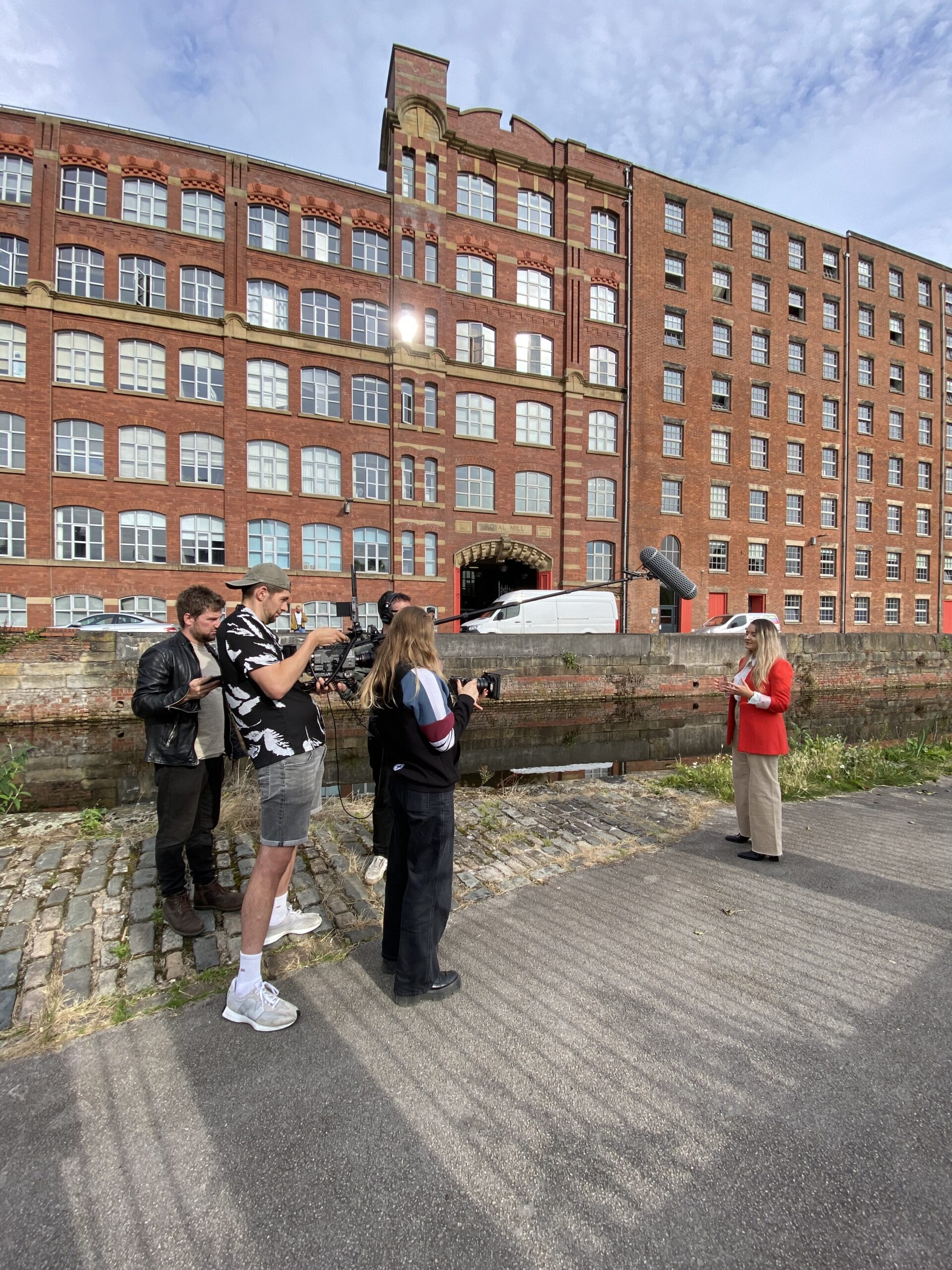
Visual storytelling will play a greater role here, from short-form video and site-based interviews to photographic case studies that show progress over time. The focus will shift from abstract ambition to tangible outcomes, helping audiences understand not just what is being built, but what it means in practice.
Our ‘Spirit of the Place’ campaign with Accoya, which featured a video series of architects discussing what the ‘Spirit of the Place’ means to them, is a great example of human place-based story telling. The architects considered not only the aesthetics of the buildings but also the social value and the impact of the architecture on the environment its in.
PR will play a central role in GEO and SEO
Search is changing rapidly. In 2026, discoverability will depend less on keywords alone and more on whether AI-driven systems recognise a brand as a credible authority on specific built environment issues.
This is where PR will become central to GEO (Generative Engine Optimisation) and the next phase of SEO. Earned media coverage, expert commentary, policy insight and thought leadership will increasingly influence whether organisations surface in AI-powered search tools and research platforms.
For built environment brands, this means consistently contributing informed perspectives on housing delivery, retrofit, building safety, planning reform, MMC and the Future Homes Standard. PR strategies will need to be closely aligned with subject-matter expertise, not just marketing objectives.
Evidence will matter more than ever
This year, stakeholders will expect clear, verifiable evidence of performance, from operational carbon reductions and embodied carbon decisions to fabric-first design and retrofit strategies.
PR will play a crucial role in translating complex technical data into accessible, honest narratives. The days of broad sustainability claims without supporting detail are firmly over. Greenwashing scrutiny will intensify, and organisations that overpromise or oversimplify risk reputational damage.
Communications that acknowledge challenges, limitations and lessons learned will be far more powerful than those focused solely on success. Transparency will become a differentiator, not a risk.
Planning and policy literacy will be essential
With ongoing planning reform and shifting political priorities, built environment PR will need to be more policy-literate than ever before. Journalists, local authorities, communities and investors will expect communications teams to understand the regulatory context shaping development.
In 2026, strong PR will help organisations explain how their projects align with national policy while responding to local concerns. This will be particularly important for housing delivery, infrastructure and regeneration schemes, where trust and consent are critical.
Reactive PR alone will no longer be sufficient. Proactive engagement with policy debates will help organisations shape narratives rather than simply respond to them.
Community engagement will move upstream
In the year ahead, we expect that community consultation will increasingly happen earlier in the development process and communications teams will be expected to support this shift.
In 2026, PR will play a more strategic role in stakeholder mapping, message testing and engagement planning before applications are submitted. Clear, accessible communication will be vital in addressing misconceptions, managing opposition and demonstrating long-term social value.
This is not about spin. It is about clarity, empathy and listening — and about building relationships that last beyond the planning process.
Looking ahead
In summary, built environment PR will be more strategic, more technical and more human in 2026. It will sit closer to delivery teams, sustainability experts and policy specialists, helping organisations navigate complexity while building trust with audiences.
To find out how we can support you built environment PR in 2026, contact us here.
- Share this