 " />
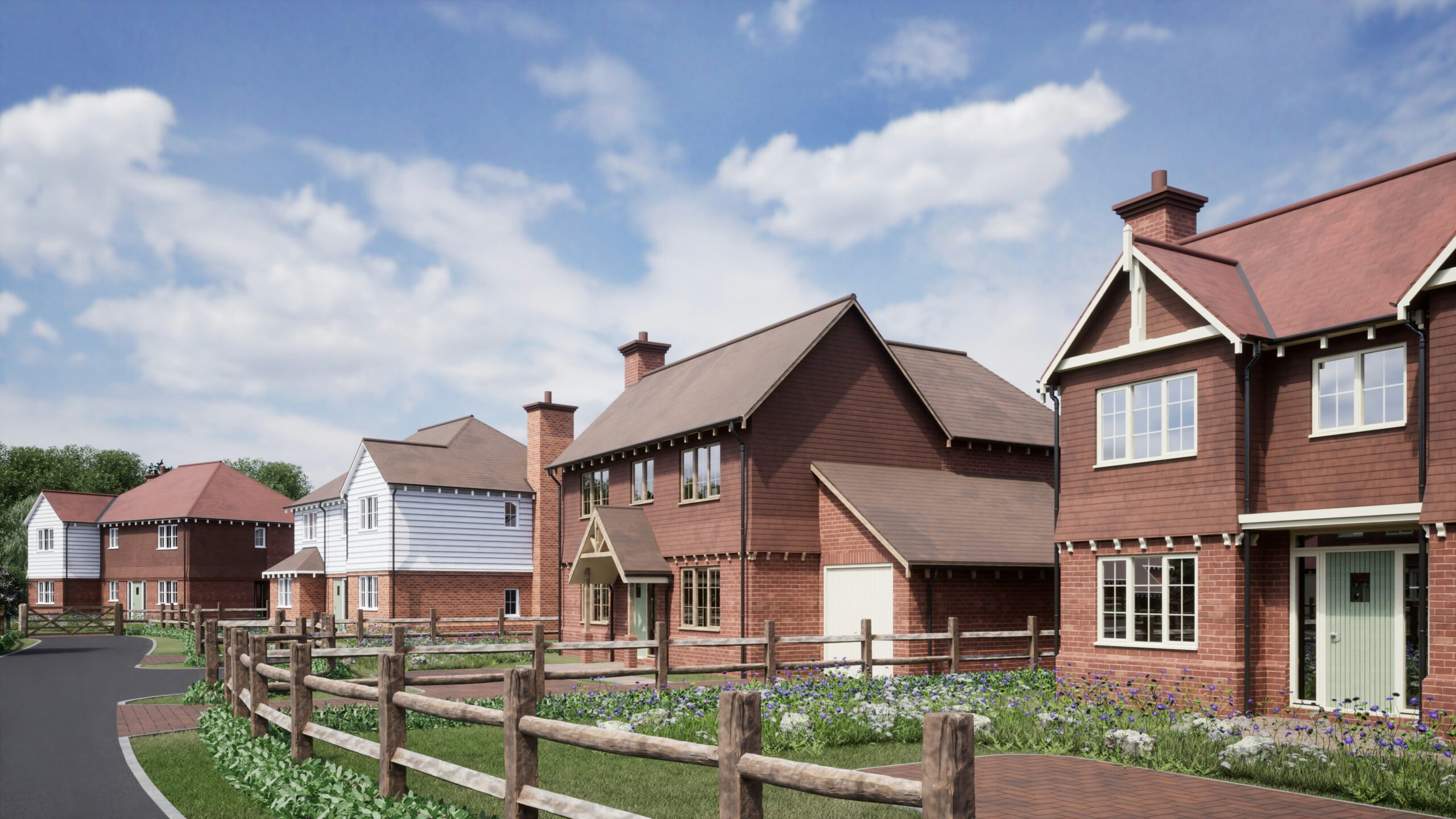
" />The government’s proposals to build seven new towns are a pivotal moment in the UK’s most ambitious housebuilding programme in half a century. The chosen locations, from Tempsford to Leeds South Bank, Manchester and an expanded Milton Keynes, promise tens of thousands of homes, stitched together with transport, green space and jobs.
But bricks, mortar and infrastructure are only half the story. The real challenge, and the one that will determine whether these places thrive or quietly stagnate, is narrative. Because new towns aren’t just built. They must be sold too. So, step forward the storytellers, the PR and communications teams. Us!
A place is only as powerful as its perception
History tells us that building homes is the ‘easy’ part. Creating a place people want to live in takes decades, and it begins long before the first residents arrive.
Take Milton Keynes. For years, it was famed for roundabouts and anonymity. Yet through consistent place branding, cultural investment and economic storytelling, it has repositioned itself as a hub for innovation, logistics and quality of life. Today, it’s not just a new town, it’s a credible city with identity.
Contrast that with places that never quite shook off the label of overspill housing. The difference? Not just planning, but perception management.
PR and communications shape that perception from day one. They answer the public’s questions, including: Why would I move there? Who else is going? What kind of life could I build?
Without compelling answers, even the best-designed town risks feeling like a compromise.
The ghost of new towns past
Post-war Britain offers a blueprint and a warning. The original wave of new towns succeeded when they tapped into aspiration: space, modernity, a fresh start. But over time, some became victims of their own narrative and were seen as functional rather than desirable.
Fast forward to today, and the stakes are higher. Buyers are more discerning. Remote work has untethered geography, even if many workplaces have reversed WFH policies. And competition doesn’t just come from nearby towns, it comes from anywhere with good WIFI. All this considered means that communications can’t be an afterthought. It must be part of the master plan in launching our next wave of new towns.
The art of early identity
Consider Northstowe, one of the UK’s most prominent recent new town projects. Long before it reached maturity, efforts were made to frame it not as a housing development, but as a community in the making, with sustainability, cycling infrastructure and civic life at its core.
That messaging matters. Early residents aren’t just buyers, they’re founders of a new community. The way a place is communicated to them shapes how they talk about it. PR doesn’t just attract people, it scripts the culture they help create. Its Northstowe Neighbours campaign communicates this well, bringing colour to its many characters. However, the new town is also not without its negative press.
How naming shapes a new town’s identity
Based on the list of potential names for these new towns, it’s clear that storytelling will be central to the storytelling when it comes to placemaking. The names are not arbitrary or purely functional choices, they are deliberate acts of narrative-building.
- Elizabethtown, immediately calls to the legacy of Queen Elizabeth II
- Pankhurst draws directly from Emmeline Pankhurst, embedding a story of progress and social change into the fabric of the place
- Athelstan reaches back even further, referencing the first Kind of England, invoking ideas of origin, unity and leadership
- Atleeton nods to Clement Attlee, an ex-Prime Minister and a post-war vision of nation-building
- Seacole honours Mary Seacole, bringing themes of compassion, resilience
From a PR perspective, branding, or naming, is foundational work. It sets the tone, frames perception and offers an immediate emotional hook. Done well, it gives stakeholders, residents and investors a shorthand for what a place stands for. Done poorly, it can be the start of a misaligned narrative that is difficult to correct, where perception drifts from reality, scepticism takes hold early, and the place becomes defined by criticism rather than the story it set out to tell. There are already narratives in the media about names being politically loaded.
The communications strategy must precede groundbreaking and any development works.
The new battleground is belief
The seven shortlisted locations will each need to answer a critical challenge, and feel ‘real’ before they are fully built. It could be decades between the first breaking of ground and filling the final home, and the creation of each new town’s story must begin as soon as possible.
That’s where communications becomes strategic. Effective placemaking PR goes far beyond brochures and hoardings. It involves:
- Narrative creation: defining what the place stands for e.g. innovation, nature, affordability, cultur
- Community seeding: attracting early adopters who embody that narrative
- Cultural signalling: events, meanwhile uses, and partnerships that give life to empty space
- Reputation management: addressing scepticism early because every new town faces it
Look at the reaction to some of the dropped locations from the original shortlist, local resistance, petitions, and political pressure highlight that it’s not just a planning issue, it’s a communications one.
Selling more than homes
Developers often talk about “placemaking”, but without a compelling story, placemaking risks becoming a physical exercise rather than an emotional one.
The most successful new towns will:
- Position themselves clearly in the market (not just “affordable housing near X”)
- Build a sense of momentum (“people like me are moving there”)
- Create pride before permanence
Because ultimately, people aren’t buying square footage. They’re buying a version of their future. They are committing to live in an unproven place.
The opportunity ahead for PR and communications professionals
This new generation of towns has an advantage that previous ones didn’t, the ability to shape their identity in real time, across digital channels, with immediate feedback.
Handled well, that means, transparent storytelling, resident-led narratives, and a sense of co-creation rather than top-down planning. Handled poorly, it risks being defined by critics before they define themselves.
What to expect from the communications teams behind England’s new towns
Each of these places will be vying not just for investment and infrastructure, but for belief, and this belief is built through story.
If the PR and communications teams behind our new towns get that right, a new town suddenly becomes a destination. Get it wrong, and it remains what people fear most, “just another development”.
We’re excited to see what happens and help shape the future of these new places through our built environment PR strategy work.
- Share this