 " />
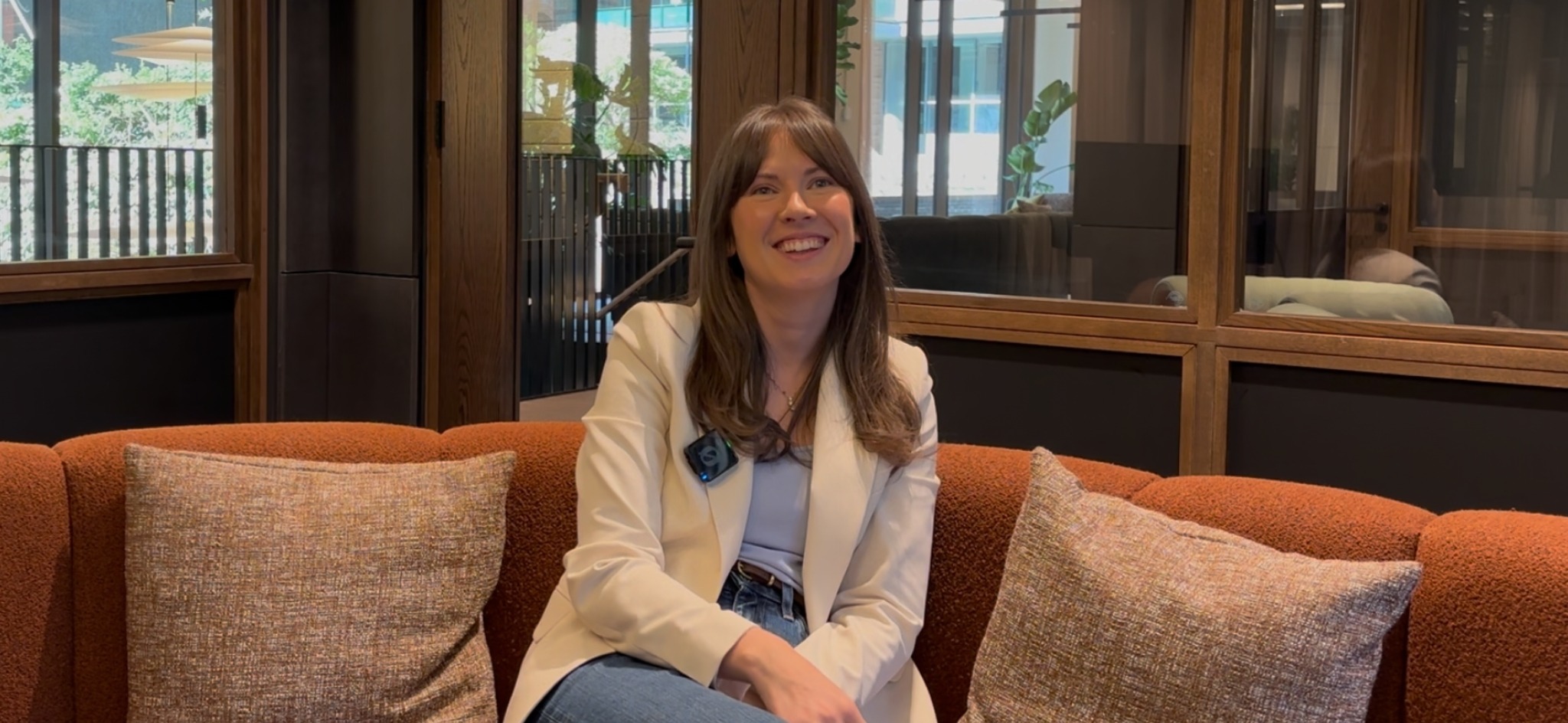
" />The strongest brands and places are the ones that understand how they make people feel, says Lauren Allen Musgrave, Head of Marketing at Bruntwood SciTech. Built environment leaders in the UK can learn from the hospitality and cultural experiences we encounter when travelling around the world.
As cities evolve and expectations around workplaces continue to shift, Lauren believes the industry has an opportunity to think differently about how people experience the spaces around them. Increasingly, success is not just about creating buildings at scale, but about making people feel connected to those environments on an individual level.
For Lauren, one of the most memorable and recent examples of this came during a trip to Japan with her husband.
“One thing in Japan that stands out for me is the level of customer service. At every outlet, restaurant, bar that you go to, everything is personalised.”
The experience left a lasting impression, particularly Japan’s culture of Omotenashi, a philosophy rooted in thoughtful hospitality, attentiveness and anticipating people’s needs before they ask.
Why modern workplaces need to feel more human
Rather than seeing this as something confined to restaurants or hotels, Lauren sees direct parallels with the built environment and the future of placemaking.
“I think it’s something that we can take as inspiration from for our own built environment. We can challenge ourselves to create bespoke experiences for everyone, despite creating spaces that hold large numbers of people. We’re building cities. We’re building neighbourhoods. But we must also connect with people on an individual level.”
That balance between scale and individuality feels increasingly relevant as expectations around workplaces continue to rise. Businesses are no longer simply looking for office space, they expect environments that support wellbeing, collaboration, culture and innovation. The role of the workplace has evolved from somewhere people have to be into somewhere people actively want to spend time.
Lauren describes this as a significant shift in occupier expectations.
“There’s now a really high level of amenity expected from workplaces. What was a luxury is now the standard, and expected. People want more than just somewhere to sit and work. Even down to our ESG and sustainability credentials.”
“Previously, there was a lot of focus on the team’s needs through wellbeing amenities, cafes and coffee shops, community programming and events. But we also need to balance that with being functional and sustainable.
“We have done just that at our latest Pall Mall development, which achieved Net Zero in construction and Net Zero in operation. Our customers who occupy the building then reap the benefits of this through the smart tech we have added to the building, allowing it to run at a lower cost.”
Creating workspaces that support science and technology businesses
For a business like Bruntwood SciTech, which focuses on creating specialist environments for science, technology and innovation businesses, that means understanding the unique needs of different occupiers and sectors.
“Not every business needs the same thing. Some businesses need highly technical lab spaces, some need flexibility, some need community and collaboration opportunities. It’s about understanding what helps those businesses form, scale and grow.”
That ecosystem-led thinking has become central to the evolution of Manchester and the wider North West. The success of innovation districts such as Circle Square and Manchester Science Park is not simply about the buildings themselves, but about creating connected communities where startups, scaleups, universities, healthcare providers and global businesses can interact and grow together.
The role of marketing in placemaking
But alongside the physical environment, Lauren believes marketing also has a major role to play in shaping places and perceptions.
Too often, marketing in the built environment is viewed purely through a commercial lens, focused on leasing space or promoting developments once they are complete. In reality, it has become an increasingly important part of placemaking itself. Marketing helps define identity, shape narratives, and create emotional connections between people and places.
For Lauren, storytelling is essential because modern developments are competing for attention in a much wider experience economy. At a single desk level, people now compare workplaces against hospitality, leisure and retail experiences as much as against other offices.
Why hospitality and storytelling shape workplace experience
The strongest brands and places are the ones that understand how they make people feel.
That’s why hospitality has become such an important influence on placemaking. The experience of entering a workspace, using shared amenities, attending events or interacting with community teams all contribute to how people perceive a destination. Increasingly, those touchpoints are becoming just as important as the architecture itself.
Lauren sees a direct connection between the Japanese approach to service and the future of workplace experience. In Japan, thoughtful service is not performative or excessive, it is subtle, intuitive and deeply embedded within the culture. It’s about creating moments that feel personal and considered.
She recalls one particularly memorable interaction during her travels.
“I went into a bar in Japan and was sat there having a drink, and the bartender asked us our names, he wrote them down in Japanese, then told us what they mean in his language. That’s a great personal touch. Although he did say my name means I’m cursed!”
This captures something important about memory and emotional connection to a place. The interaction itself was simple, but it created a lasting impression because it felt genuine and individual.
That same principle increasingly applies to the built environment. As hybrid working reshapes behaviour, people expect workplaces and neighbourhoods to feel more human, flexible and experiential.
Placemaking and marketing should not feel superficial. Successful places need authenticity. The environments that resonate most strongly are the ones that genuinely understand the people using them and create experiences that feel intuitive rather than manufactured.
Ultimately, Lauren’s perspective reflects a wider evolution happening across the built environment. The future of cities and workplaces will not be defined solely by architecture or infrastructure, but by the quality of experience they create and the stories they tell.
Learning from travel, culture and experiences outside of the industry
And sometimes, the best inspiration for that future comes from outside the industry entirely. It comes from time away from work, travelling, observing different cultures, and recognising the small moments that make people feel valued.
“While we may be designing cities and neighbourhoods at scale, the experience of those places will always be personal.”
This conversation with Lauren was part of our Refresh Perspective series, where we speak to those shaping and leading construction, manufacturing and the built environment. It was great to get her first-hand take on the future of workplaces, Manchester’s growing innovation economy, and why the built environment can learn a huge amount from the hospitality and cultural experiences we encounter when travelling.
If you would like to feature in a future instalment of our interview series, or find out about how Refresh can connect you with audiences in construction, manufacturing, hospitality and the built environment, contact us today.
- Share this