 " />
" />In recent conversations with leaders in the construction, heating and plumbing sectors, one point has emerged repeatedly: consumer understanding of smart home heating technologies is not keeping pace with the availability of advanced heating, ventilation and smart home technologies
Systems such as heat pumps, mechanical ventilation with heat recovery (MVHR), underfloor heating and smart thermostatic controls have enormous potential to reduce energy use, improve comfort and cut costs. Yet in reality, many households lack the education or confidence to operate them efficiently. Those gaps in understanding can lead homeowners to conclude these technologies do not work, are expensive to run or simply inferior to traditional gas and oil boilers, even when the opposite is true.
Last night’s Guy Martin’s House Without Bills on Channel 4 was a welcome public demonstration of what a highly energy-efficient home looks like and how it can operate with minimal energy bills. It provided a relatable narrative around reaching passive house standards and showcased the real-world experience of a household shifting away from fossil fuels. The programme was entertaining and also went some way to increasing consumer awareness of how a home can be decarbonised.
The scale of the smart home consumer awareness gap
Research suggests that public awareness and understanding of low-carbon heating and related smart technologies remain surprisingly low, even as markets grow and government targets loom.
A survey of UK homeowners found almost three-quarters (73%) say they do not know enough about heat pumps or other low-carbon heating options to make an informed decision about installing one. The same research highlighted that only a quarter (25%) believe heat pumps are the most sustainable choice, and some households (18%) think gas boilers are greener.
Earlier research from Mitsubishi Electric and Ipsos showed that 71% of British adults knew little or nothing about how heat pump technology works, and just 13% were aware of the environmental benefits heat pumps offer.
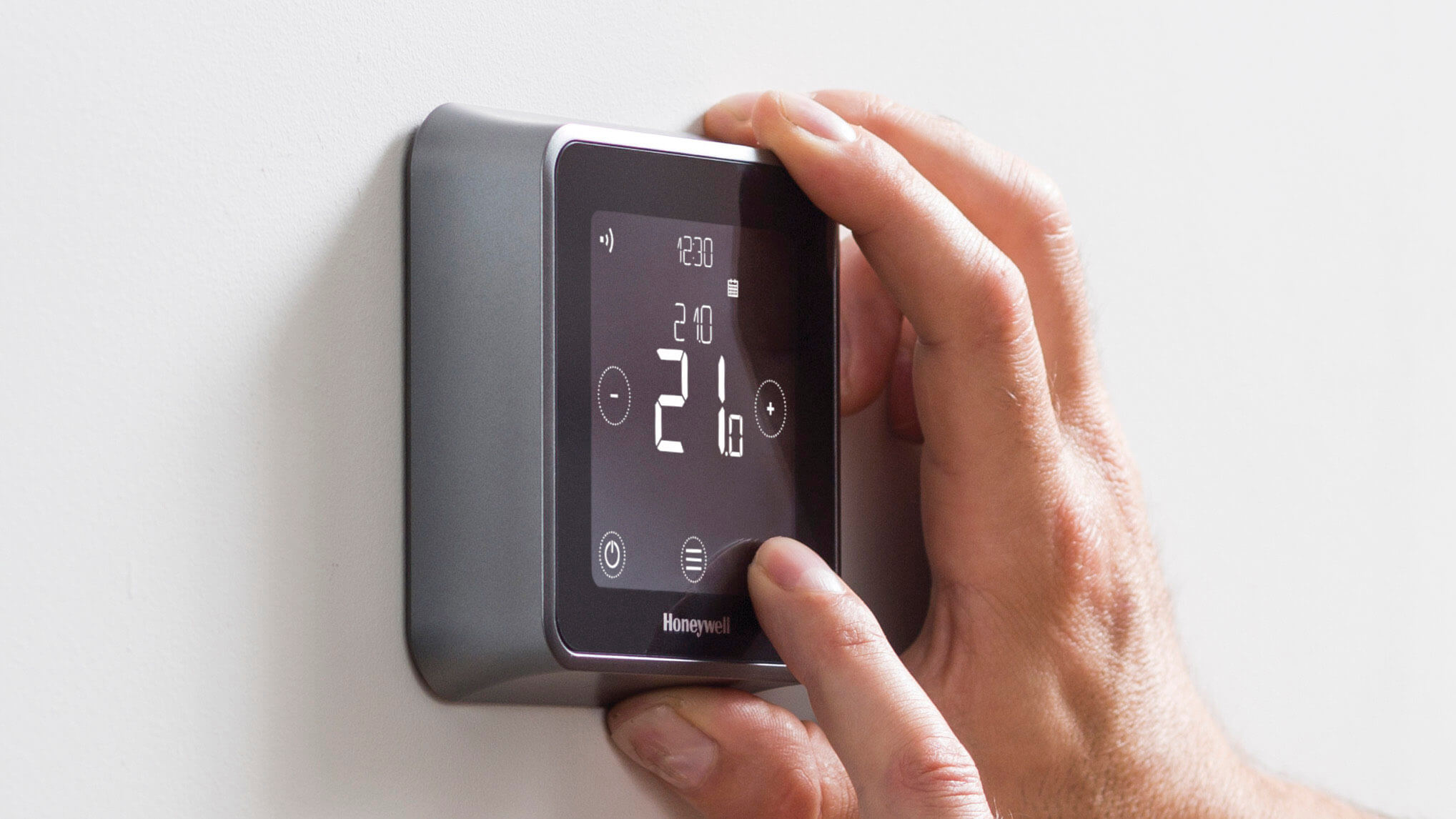
Smart heating technologies are similarly unfamiliar to the general public. A recent consumer attitudes report found that fewer than half (48%) of respondents were aware of smart heating controls, and fewer still could confidently describe how they work or how they deliver savings.
These awareness gaps are not inconsequential. Government strategy and built environment policy is increasingly depend on household uptake of low-carbon systems to hit net zero and energy efficiency targets. Without a shift in consumer understanding, installers, manufacturers, and policymakers will struggle to accelerate adoption at the scale needed.
Celebrity endorsements to bridge the smart home tech gap
HVAC companies, such as heat pump manufacturers, are increasingly using celebrity-led marketing and PR to build mainstream visibility and awareness of their products and brands.
High-profile figures such as Kevin McCloud, George Clarke, Laurence Llewellyn Bowen and Guy Martin have been associated with campaigns that put low-carbon heating and energy-efficient homes on the public agenda. These home interest celebrity-driven campaigns offer useful lessons in how mainstream media figures can translate complex technical concepts into engaging stories. They also allow a brand instant access to the celebrity’s loyal audience across media channels.
Research on celebrity endorsement and consumer behaviour shows that when celebrities are well matched to the product category and perceived as credible, they can enhance attention, brand recall and favourable attitudes towards innovation. Studies in advertising and marketing show that celebrity endorsements can lead to more positive consumer attitudes and purchase intentions when the celebrity’s image aligns with the product and resonates with the target audience.
In the context of built environment technologies, this alignment matters. A celebrity who is genuinely interested in sustainability or home improvement can help overcome barriers of unfamiliarity and scepticism. Guy Martin’s involvement in the recent Channel 4 programme about a self-sufficient home brings a recognisable face to a topic that might otherwise seem technical or inaccessible.
What impact do influencers have on home technology awareness?
Beyond traditional celebrity endorsements, influencer marketing offers an additional route to raising awareness. Influencers can provide access to niche and specialist audiences, as well as more general, broader audiences.
Academic research suggests that influencer endorsements from creators perceived as authentic or experts can be more effective than traditional celebrity adverts for driving product attitudes and purchase intentions. Influencers with specific credibility, such as home renovation YouTubers or sustainability content creators, can bridge the gap between technical complexity and everyday relevance.
Micro influencers can be effective within niche communities because their audiences often trust their opinions and see them as more trustworthy. Campaigns that use influencers for educational content, not just product placement, can position HVAC technologies like heat pumps or smart controls as both understandable and desirable.
For example, commissioning trusted DIY, home tech or plumbing influencers to document real heat pump installations, explain controls, or compare bills before and after installation can demystify the process and set realistic consumer expectations.
What marketing directors can do about the HVAC consumer awareness gap
Marketing directors and managers who are working to plug this awareness gap need to use a mixture of channels to increase education and adoption. The challenge is not whether low-carbon, HVAC and smart home technologies will become mainstream, but how quickly consumers will adopt and understand them. And, which brands they will buy and become loyal to.
The consumer awareness gap also represents risks and opportunities. The risk is that misconceptions around efficiency and budget continue to slow adoption, while the opportunity for brands that invest in a clear, credible and well-targeted education-based approach to lead the smart controls category rather than follow it.
Marketing directors should prioritise education as well as influence. Campaigns should help consumers understand how technologies work, why they deliver value, and how to operate them efficiently. Mere visibility of smart tech is not enough without clarity.
Campaigns should also use trusted voices beyond technical experts. Subject-matter influencers, homeowner advocates and relevant celebrities can extend reach while translating complex messages into everyday language and context.
Consumer research shows that trust and relevance matter more than reach on adoption decisions. Choosing voices that align with sustainability, home improvement, or energy-saving values will strengthen campaign effectiveness.
Social proof, such as testimonials and case studies from real homeowners, installers, or communities that have adopted the technologies, enhances credibility and can reduce the perception that often holds consumers back from adopting new technologies.
Why a broader, sustained communication strategy is needed
As demand for low-carbon and smart home technologies is rising, consumer understanding of them remains proportionally low. TV programmes like House Without Bills play a valuable role in making these technologies relatable, yet they must be part of a broader, sustained communication strategy from brands.
This means moving beyond traditional product marketing to become educators, storytellers and facilitators of behavioural change, supported by relevant celebrities and influencers who can help bring invisible technologies to life.
If you are looking for more information on a smart home technology PR and marketing campaign, or how to use celebrities and influencers in your marketing, get in touch with us today.
- Share this